
Anet
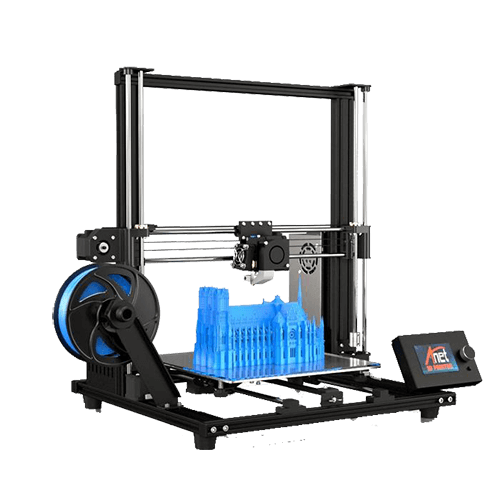
Anet Technology built its name on making 3D printing cheap enough for anyone to try. Founded in Shenzhen in 2015, it became a fixture of the DIY scene with kit-built FDM machines that traded polish for price and a wide-open, endlessly moddable design. The original A8 put a heated bed within reach of first-time hobbyists, and the larger A8 Plus carried that hands-on, build-it-yourself spirit forward.
Every Anet we have tested
Our evaluation of the Anet brand
Anet scaled fast. By 2019 it had launched six new models, expanded to six production lines, and grown to more than 200 staff, with the capacity to ship roughly 30,000 units a month. That volume helped flood the entry-level market with affordable kits and made Anet a recognizable name for anyone starting out on a tight budget.
But the reputation cuts both ways. The original A8 was as famous for its fire-safety concerns as for its price, and a generation of owners learned to flash their own firmware and add thermal-runaway protection before trusting it overnight. The A8 Plus answered some of those criticisms with a sturdier aluminum frame and a larger heated bed, yet it still ships without many of the conveniences buyers now expect as standard.
Where Anet still earns its place is openness. These machines are built to be taken apart, understood, and improved, and a deep community of upgrades keeps them useful years after release. For a first printer to plug in and forget, look elsewhere. For a project to learn on, Anet remains relevant.
A budget pioneer that still appeals to builders and modders, not to anyone who wants to print straight out of the box.